Fix
Why is my homemade ice cream so hard
Published
Short answer
Homemade ice cream freezes rock hard because it usually has less sugar, fat, air and stabilizer than store-bought ice cream, and home freezers sit near 0 F. Let it temper in the fridge for 10 to 15 minutes before scooping. Next time, keep sugar near commonly published amounts, use more cream, add a tablespoon or two of corn syrup or alcohol, and store it in a shallow covered container.
Gear for this job
All 8 picks compared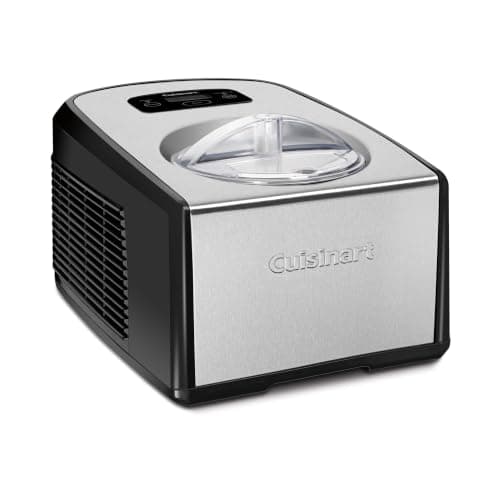
Cuisinart ICE-100: 1.5 qt with a separate gelato paddle
See price on AmazonSee it on Amazon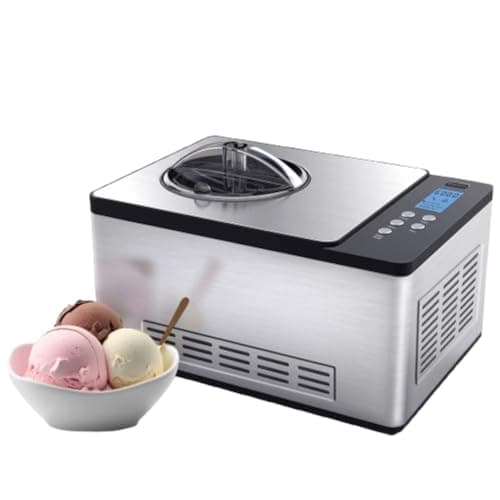
Whynter ICM-220SSY: 2 qt compressor with yogurt function
See price on AmazonSee it on Amazon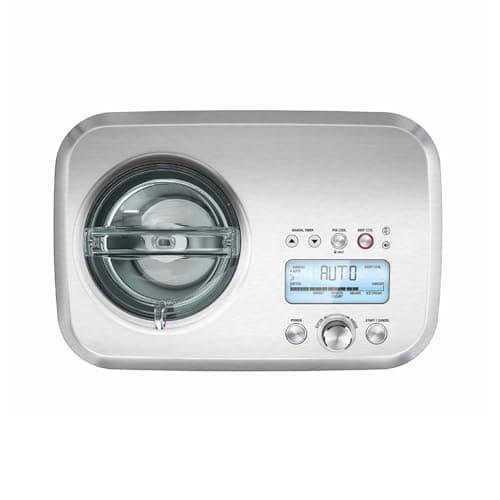
Breville Smart Scoop: 12 hardness settings, 3-hour hold
See price on AmazonSee it on Amazon
This page is for home cooks whose ice cream is lovely straight from the machine, then turns into a brick after a night in the freezer. It covers churned ice cream from freezer bowl, compressor and old-fashioned machines, and touches on Ninja Creami pints, which work differently. You will learn why commercial ice cream stays softer, how to soften a batch you already made, and which base changes keep the next batch scoopable without making it soupy.
Why homemade ice cream freezes harder than store-bought
Ice cream is never fully frozen. At serving temperature, part of the water is ice and part stays liquid because sugar and other dissolved ingredients lower its freezing point. The more water that freezes, the harder the scoop. Commercial ice cream makers balance sugar types, milk solids and stabilizers to keep it scoopable at freezer temperature, and they whip in air, called overrun, which makes each scoop lighter.
Home machines whip in less air than commercial equipment, and home recipes often cut sugar to make them less sweet. The result tastes great fresh but sets hard. Ice crystal size matters too: a base that froze slowly forms large crystals, which feel both icy and hard.
Common causes of rock-hard ice cream
Most hard batches have two or three of these at once. Fixing sugar and fat usually makes the biggest difference.
- Too little sugarWhy it mattersMore water freezes solidFixUse a tested recipe's full sugar amount
- Low fat (mostly milk)Why it mattersFat stays soft and breaks up iceFixUse more heavy cream in the mix
- Little airWhy it mattersDense mass with no pocketsFixChurn until thick, freeze promptly
- Very cold freezerWhy it mattersBelow 0 F everything sets harderFixTemper before serving; store on a door shelf
- Slow freezingWhy it mattersLarge crystals formFixChill base fully, freeze in a shallow container
- No stabilizerWhy it mattersWater moves and recrystallizesFixAdd egg yolks, cornstarch or a pinch of gum
| Cause | Why it matters | Fix |
|---|---|---|
| Too little sugar | More water freezes solid | Use a tested recipe's full sugar amount |
| Low fat (mostly milk) | Fat stays soft and breaks up ice | Use more heavy cream in the mix |
| Little air | Dense mass with no pockets | Churn until thick, freeze promptly |
| Very cold freezer | Below 0 F everything sets harder | Temper before serving; store on a door shelf |
| Slow freezing | Large crystals form | Chill base fully, freeze in a shallow container |
| No stabilizer | Water moves and recrystallizes | Add egg yolks, cornstarch or a pinch of gum |
Soften the batch you already made
Tempering lets the outer layer warm a few degrees, which is enough to make it scoopable without melting. Do not microwave it; the edges melt while the center stays frozen, and melted edges refreeze icy.
- 1
Move the container from the freezer to the refrigerator for 10 to 15 minutes, or leave it on the counter for about 5 to 10 minutes.
- 2
Run your scoop under hot water and dry it before each scoop.
- 3
For a very hard batch, cut it into chunks and pulse briefly in a food processor, then refreeze for an hour.
- 4
Next time, portion fresh ice cream into smaller containers so you only temper what you need.
Note.If ice cream fully melts and sits above 40 F for more than 2 hours, throw it out rather than refreezing.
Base changes for a softer scoop
Commonly published home ice cream bases use roughly 2 cups heavy cream, 1 cup whole milk and about 2/3 to 3/4 cup sugar per quart, often with 4 to 6 egg yolks in a cooked custard. If your recipe uses much less sugar or mostly milk, expect a harder scoop. Our sugar and fat ratio guide explains the balance in more detail.
- Replace 2 to 3 tablespoons of the sugar with light corn syrup or honey; these lower the freezing point more per spoonful and help texture.
- Add 1 to 2 tablespoons of vodka or a liqueur per quart near the end of churning. More than that can stop it from freezing.
- Use a cooked custard with egg yolks. Cook the base to 170 to 175 F, chill, then churn. Do not use raw yolks.
- Add a small dose of stabilizer, such as a cornstarch slurry cooked into the base, if you skip eggs.
- Mind allergens: these bases contain milk and eggs, and some liqueurs contain nuts.
Freezer and storage habits
Store homemade ice cream in a shallow, covered container with plastic wrap pressed on the surface. Shallow containers freeze faster, which keeps crystals small. Keep it toward the front or on a door shelf if your freezer runs very cold, and eat it within about a week or two for the best texture. If you use a chest freezer far below 0 F, tempering time will be longer.
Your machine matters too. A compressor machine that keeps churning cold usually gives a finer texture than a weak freezer bowl. If you are comparing, see best ice cream maker with compressor and best gelato maker for home, since gelato is churned denser and served warmer.
What about Ninja Creami pints
A Ninja Creami is meant to freeze rock hard. You freeze the base solid for about 24 hours and the machine shaves it into a creamy texture on demand. If a spun pint goes back in the freezer, it will set hard again, and you simply re-spin it. See storing and refreezing Ninja Creami pints and, for crumbly results, why Creami ice cream is powdery.
Frequently asked questions
How long should I let homemade ice cream sit before scooping? About 10 to 15 minutes in the fridge or 5 to 10 minutes on the counter is typical. Very cold freezers need a bit longer.
Does adding alcohol make ice cream softer? Yes. Alcohol lowers the freezing point. Keep it to 1 to 2 tablespoons per quart, or the ice cream may not set.
Is homemade ice cream harder because it has no air? Partly. Home machines add less air than commercial ones, so homemade ice cream is denser. Sugar, fat and freezer temperature matter more.
Why is my ice cream both hard and icy? Large ice crystals from slow freezing, a high-water base or melting and refreezing. See why homemade ice cream is icy for fixes.
What you need for this
- See price on AmazonAmazon
Cuisinart ICE-100: compressor with ice cream and gelato paddles
 See price on AmazonAmazon
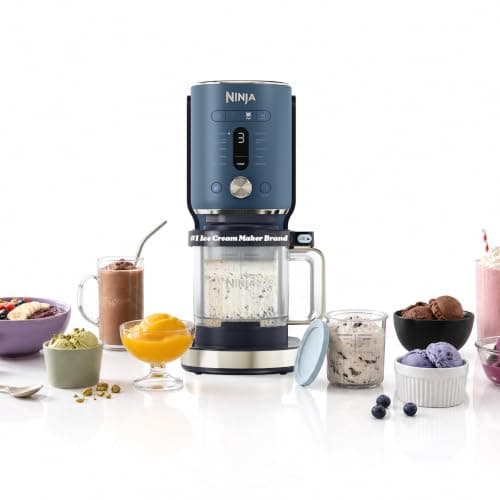
Ninja Creami XL Deluxe Gen 2 NC601: 11 programs, 24 oz tubs
From Best ice cream makers for home cooks: one pick per machine type