Explainer
Ice cream base ratios: sugar, fat and solids
Published
Short answer
A typical American ice cream base is roughly 10 to 16 percent fat, about 14 to 18 percent sugar and around 36 to 40 percent total solids by weight. Gelato uses less fat, often about 4 to 9 percent, with similar or slightly higher sugar. Sorbet has no fat and relies on more sugar, often 20 to 30 percent. More sugar makes it softer; more fat and solids make it creamier and less icy.
Gear for this job
All 7 picks compared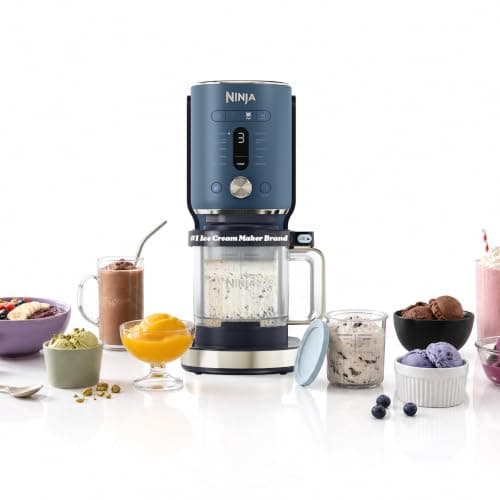
Ninja CREAMi XL Deluxe Gen 2: 11 programs, 24 oz tubs
See price on AmazonSee it on Amazon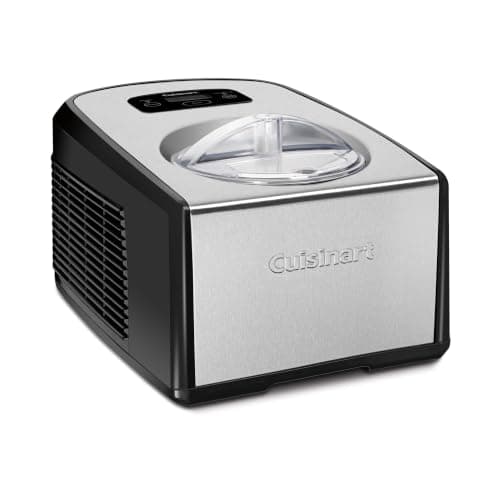
Cuisinart ICE-100: compressor with a gelato paddle
See price on AmazonSee it on Amazon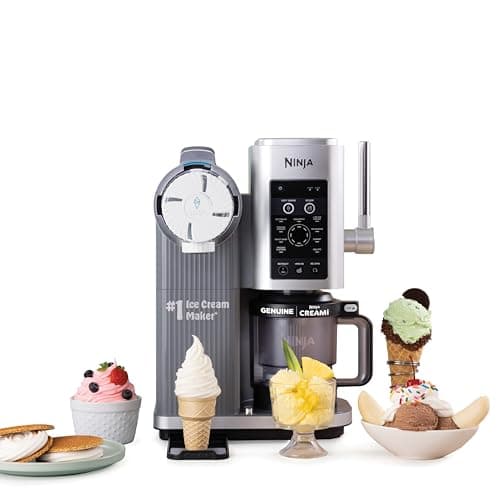
Ninja Creami Scoop & Swirl NC701: 13 programs with soft serve
See price on AmazonSee it on Amazon
This explainer is for home cooks who want to understand why a recipe turns out icy, rock hard or too soft, and how to adjust it. It covers the four main levers in a base (fat, sugar, milk solids and water), typical ranges for ice cream, gelato and sorbet, and practical cup-measure starting points. The percentages are commonly cited ranges in ice cream making references, by weight. Home recipes do not need to hit exact numbers to taste good, but knowing the ranges helps you troubleshoot.
The four levers in every base
- Fat (from cream, milk, yolks, coconut): coats the tongue, makes the texture creamy and gets between ice crystals. Too little and the result tastes thin and icy; too much and it can feel greasy or buttery.
- Sugar (sucrose, corn syrup, honey, dextrose): sweetens and lowers the freezing point, so more of the water stays unfrozen at freezer temperature. More sugar means softer ice cream.
- Milk solids not fat (the proteins and lactose in milk, boosted with milk powder): add body and help hold water. Too much can make it sandy.
- Water (from milk, fruit, juice): the part that freezes into ice. The more free water, the icier the result.
Typical ranges by style
In the US, a product labeled ice cream must contain at least 10 percent milkfat under the FDA standard of identity. Premium brands usually sit higher. Gelato has no US federal standard, but it is generally lower in fat and air than ice cream. Our gelato vs ice cream maker guide explains why air matters as much as fat.
- American ice creamFatAbout 10 to 16%SugarAbout 14 to 18%Total solidsAbout 36 to 40%Air (overrun)Moderate
- GelatoFatAbout 4 to 9%SugarAbout 16 to 22%Total solidsAbout 32 to 38%Air (overrun)Low
- SorbetFat0%SugarAbout 20 to 30%Total solidsAbout 28 to 34%Air (overrun)Low
- Soft serve mixFatOften about 3 to 10%SugarAbout 12 to 16%Total solidsAbout 30 to 36%Air (overrun)Higher
| Style | Fat | Sugar | Total solids | Air (overrun) |
|---|---|---|---|---|
| American ice cream | About 10 to 16% | About 14 to 18% | About 36 to 40% | Moderate |
| Gelato | About 4 to 9% | About 16 to 22% | About 32 to 38% | Low |
| Sorbet | 0% | About 20 to 30% | About 28 to 34% | Low |
| Soft serve mix | Often about 3 to 10% | About 12 to 16% | About 30 to 36% | Higher |
Starting points in cups
Most home cooks work in cups, not grams. These commonly published proportions land roughly in the ranges above for about 1 quart of base.
- Philadelphia-style (no egg) ice creamDairy2 cups heavy cream, 1 cup whole milkSugarAbout 3/4 cupOtherPinch of salt, vanilla
- Custard ice creamDairy2 cups heavy cream, 1 cup whole milkSugarAbout 3/4 cupOther5 to 6 egg yolks
- GelatoDairy2 cups whole milk, 1 cup heavy creamSugarAbout 3/4 cupOther3 to 4 egg yolks or none
- Fruit sorbetDairyNoneSugarAbout 3/4 to 1 cupOtherAbout 3 cups fruit puree, lemon juice
| Style | Dairy | Sugar | Other |
|---|---|---|---|
| Philadelphia-style (no egg) ice cream | 2 cups heavy cream, 1 cup whole milk | About 3/4 cup | Pinch of salt, vanilla |
| Custard ice cream | 2 cups heavy cream, 1 cup whole milk | About 3/4 cup | 5 to 6 egg yolks |
| Gelato | 2 cups whole milk, 1 cup heavy cream | About 3/4 cup | 3 to 4 egg yolks or none |
| Fruit sorbet | None | About 3/4 to 1 cup | About 3 cups fruit puree, lemon juice |
Note.Cook egg yolk custards until they thicken and coat a spoon, about 170 to 175 F, then chill fully before churning.
How each change affects texture
If your ice cream is too hard, see why homemade ice cream is so hard. If it is icy, see why homemade ice cream is icy.
- More sugarEffectSofter, easier to scoop, sweeter; too much and it will not freeze firm
- Less sugarEffectHarder, icier, needs longer tempering before scooping
- More cream (fat)EffectRicher and creamier; very high fat can feel greasy
- More milk, less creamEffectLighter, cleaner flavor, more prone to iciness
- Add egg yolksEffectSmoother body and richer flavor
- Add 1 to 2 tablespoons milk powderEffectMore body, less iciness in lean bases
- Swap some sugar for corn syrup or dextroseEffectSmoother, less icy, slightly less sweet per spoon
- Add a little alcoholEffectSofter; too much stops it freezing
| Change | Effect |
|---|---|
| More sugar | Softer, easier to scoop, sweeter; too much and it will not freeze firm |
| Less sugar | Harder, icier, needs longer tempering before scooping |
| More cream (fat) | Richer and creamier; very high fat can feel greasy |
| More milk, less cream | Lighter, cleaner flavor, more prone to iciness |
| Add egg yolks | Smoother body and richer flavor |
| Add 1 to 2 tablespoons milk powder | More body, less iciness in lean bases |
| Swap some sugar for corn syrup or dextrose | Smoother, less icy, slightly less sweet per spoon |
| Add a little alcohol | Softer; too much stops it freezing |
Sorbet: getting sugar right
Sorbet has no fat, so sugar alone controls texture. Fruits vary in natural sugar, so a fixed recipe can come out icy with one batch of fruit and slushy with another. A traditional home check is the egg test: a clean, raw egg in its shell placed in the base should float with a small circle of shell, about the size of a nickel or quarter, showing above the surface. If it sinks, add sugar syrup; if it floats high, add water or juice. Wash the egg before and after.
More detail is in how to make sorbet in an ice cream maker and, for the Creami, Creami sorbet.
Ratios and your machine
The same base behaves differently in different machines. Freezer bowl machines freeze more slowly as the bowl warms, so lean or very sweet bases may not firm up. Compressor machines keep cooling and handle a wider range. The Ninja Creami processes a frozen block, so it tolerates leaner bases but makes them powdery, which a re-spin fixes; see Creami programs explained.
Our guides to the best ice cream makers, gelato makers and sorbet makers compare machines by the styles they handle best. The fix by symptom tool helps when a batch goes wrong.
Frequently asked questions
How much sugar goes in an ice cream base? About 3/4 cup per quart of dairy base is a common starting point, which lands around 15 to 17 percent by weight.
What fat percentage should homemade ice cream have? Most home recipes made with two parts cream to one part milk land around 18 to 22 percent fat, on the rich end. Equal cream and milk is lighter.
Can I cut the sugar in half? You can, but the ice cream will freeze much harder and icier. Replace some sugar with corn syrup, or add milk powder, to soften the effect.
Why does gelato use more milk than cream? Less fat lets flavors come through more directly and gives gelato its dense, silky texture when served slightly warmer.
What you need for this
- See price on AmazonAmazon
Ninja Creami XL Deluxe Gen 2 NC601: 11 programs, 24 oz tubs
From Best ice cream makers for home cooks: one pick per machine type
- See price on AmazonAmazon
Cuisinart ICE-100: compressor with ice cream and gelato paddles