Fix
Why is my homemade ice cream icy
Published
Short answer
Homemade ice cream turns icy when ice crystals grow large. That happens when the base freezes slowly (a warm base or a bowl that is not cold enough), when the recipe is low in fat, sugar or milk solids, or when the finished ice cream sits in a warm or often-opened freezer. Chill the base overnight, freeze the bowl fully, balance the recipe and store it airtight at 0 F or colder.
Gear for this job
All 7 picks compared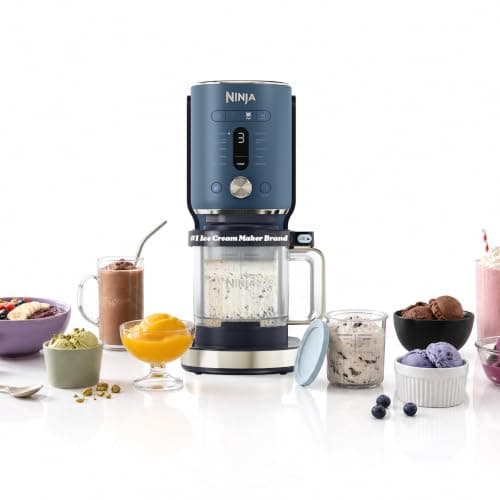
Ninja CREAMi XL Deluxe Gen 2: 11 programs, 24 oz tubs
See price on AmazonSee it on Amazon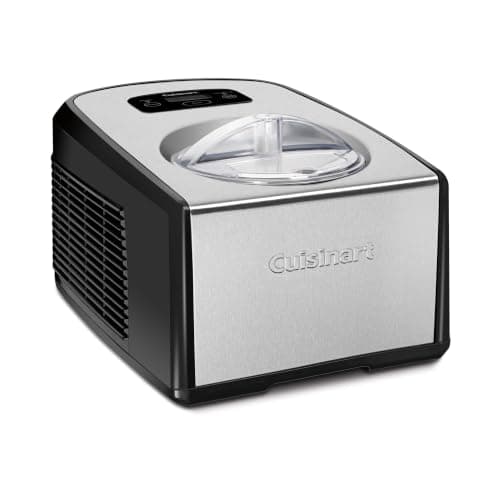
Cuisinart ICE-100: compressor with a gelato paddle
See price on AmazonSee it on Amazon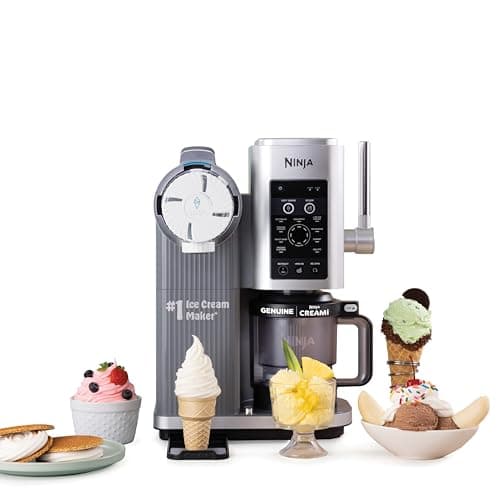
Ninja Creami Scoop & Swirl NC701: 13 programs with soft serve
See price on AmazonSee it on Amazon
This page is for anyone making churned ice cream in a freezer bowl machine, a compressor machine or a stand mixer attachment whose results feel crunchy or grainy instead of smooth. It covers the causes in order, from the churn itself to the recipe to storage, and gives a fix for each. If you use a Ninja Creami, which works by spinning a frozen block rather than churning, see why Creami ice cream gets icy instead.
Why ice crystals get big
Every ice cream contains ice crystals. Smooth ice cream has many very small crystals that your tongue cannot detect. Icy ice cream has fewer, larger crystals. Crystal size depends on two things: how fast the base freezes during churning, and how much of the base is free water rather than fat, sugar, milk solids or stabilizer.
Fast freezing while the dasher keeps moving creates lots of small crystals. Slow freezing gives each crystal time to grow. After churning, temperature swings in the freezer let small crystals melt and refreeze onto larger ones, which is why ice cream can be smooth on day one and icy on day five.
Common causes and fixes
- Base not chilled before churningFixChill to fridge temperature, ideally overnight
- Freezer bowl not fully frozenFixFreeze the bowl for at least 16 to 24 hours until no liquid sloshes
- Bowl overfilledFixFill only to the level in the manual so the base freezes quickly
- Low fat or low sugar recipeFixUse more cream or sugar, or add egg yolks
- Churned too brieflyFixChurn until it looks like thick soft serve
- Slow hardening after churningFixMove to a prechilled shallow container and freeze right away
- Freezer burn and temperature swingsFixPress wrap on the surface, seal, store at 0 F or colder, at the back of the freezer
| Cause | Fix |
|---|---|
| Base not chilled before churning | Chill to fridge temperature, ideally overnight |
| Freezer bowl not fully frozen | Freeze the bowl for at least 16 to 24 hours until no liquid sloshes |
| Bowl overfilled | Fill only to the level in the manual so the base freezes quickly |
| Low fat or low sugar recipe | Use more cream or sugar, or add egg yolks |
| Churned too briefly | Churn until it looks like thick soft serve |
| Slow hardening after churning | Move to a prechilled shallow container and freeze right away |
| Freezer burn and temperature swings | Press wrap on the surface, seal, store at 0 F or colder, at the back of the freezer |
Fix the churn
- 1
Make the base the day before and chill it in the fridge overnight. A cold base freezes in the machine much faster.
- 2
For a freezer bowl machine, freeze the bowl for 16 to 24 hours in a freezer at 0 F or colder. Shake it: if you hear liquid moving, it is not ready.
- 3
For a compressor machine, let it prechill for a few minutes if your model offers that, and follow the fill limit.
- 4
Start the machine before pouring the base in so it does not freeze onto a still bowl.
- 5
Churn until the mix looks like thick soft serve and holds its shape, usually 20 to 40 minutes depending on the machine.
- 6
Transfer straight into a container that has been in the freezer and harden it for a few hours.
Note.If your freezer bowl machine never gets past a thin slush, the bowl or base is too warm. See Cuisinart ice cream maker not freezing or, for compressor models, compressor ice cream maker not freezing.
Fix the recipe
Fat, sugar and milk solids all reduce the amount of free water that can turn into ice. A classic custard base made with heavy cream, whole milk, sugar and egg yolks is far less prone to iciness than a base of milk and sugar alone. Commonly published home recipes use about 2 cups heavy cream and 1 cup whole milk with roughly 3/4 cup sugar per quart of base, plus 4 to 6 yolks for a custard.
Lean recipes can still be smooth. Adding a tablespoon or two of nonfat dry milk powder raises milk solids, and a small amount of corn syrup or a stabilizer helps hold water. For the full set of ranges and what each lever does, read ice cream base ratios.
Note.If you use egg yolks, cook the custard until it thickens and coats a spoon, about 170 to 175 F, then chill it before churning.
Fix storage and freezer burn
- Store in a shallow, airtight container so it hardens fast.
- Press plastic wrap or parchment directly onto the surface before sealing.
- Keep it at the back of the freezer, not in the door, where temperature swings most.
- Keep the freezer at 0 F or colder and avoid leaving the door open.
- Eat homemade ice cream within about a week or two for the best texture; it has no commercial stabilizers.
When the machine is the limit
Freezer bowl machines lose cold as they churn, which can make larger batches or second batches icier. A compressor machine keeps cooling the whole time, so it handles back-to-back batches and fussier bases more consistently. Our guide to ice cream makers with a built-in compressor and the main ice cream maker guide compare current options. The fix by symptom tool covers other texture problems.
Frequently asked questions
Can I fix icy ice cream after it is frozen? You can soften it, re-churn it in the machine for a few minutes and refreeze, which breaks up some crystals. Recipe and freezing changes work better for next time.
Does adding alcohol stop iciness? A tablespoon or two of a spirit keeps ice cream softer by lowering the freezing point, but too much stops it from freezing properly.
Why is my ice cream smooth at first but icy later? Temperature swings in the freezer make crystals grow during storage. Store it airtight, at the back of the freezer, and eat it within a week or two.
Is low-fat homemade ice cream always icy? It tends to be icier, but milk powder, a little corn syrup or a stabilizer, and a fully frozen bowl help a lot.
What you need for this
- See price on AmazonAmazon
Ninja Creami XL Deluxe Gen 2 NC601: 11 programs, 24 oz tubs
From Best ice cream makers for home cooks: one pick per machine type
- See price on AmazonAmazon
Cuisinart ICE-100: compressor with ice cream and gelato paddles