Fix
Soft serve machine too runny or icy: fixes
Published
Short answer
Soft serve usually comes out runny because the mix was not prechilled, the hardness or viscosity setting is too low, the machine was drawn too fast for the cylinder to recover, or the mix has too much water. Icy soft serve usually means a watery or low-sugar mix, mix that sat too long in the freezing cylinder, or worn scraper blades. Chill the mix, follow the mix ratio, and give the machine time between servings.
Gear for this job
All 6 picks compared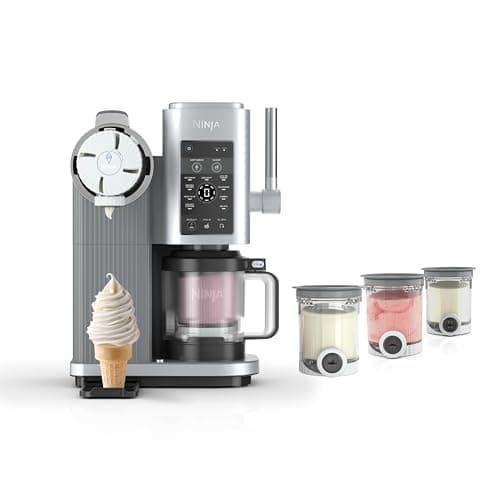
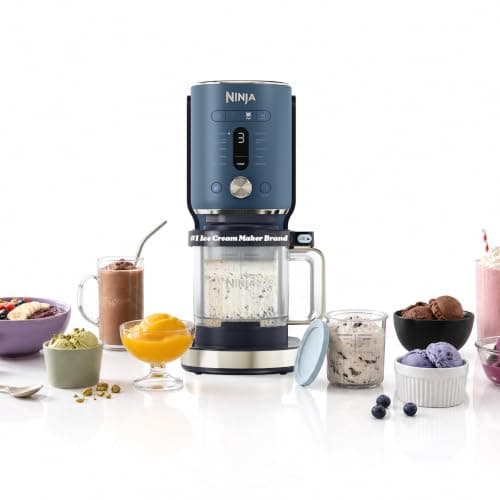
Ninja Creami Scoop & Swirl bundle with soft serve handle
See price on AmazonSee it on Amazon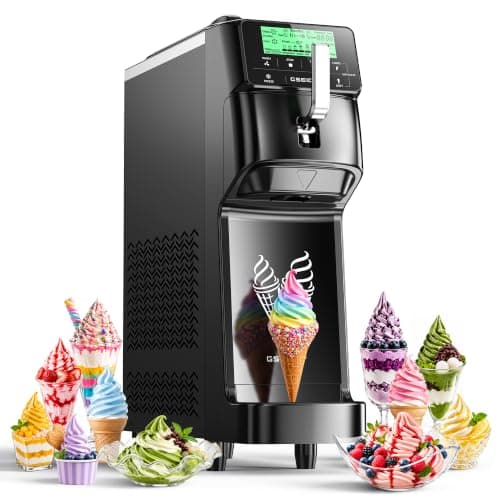
GSEICE compact countertop soft serve, ETL, about 62 dB
See price on AmazonSee it on Amazon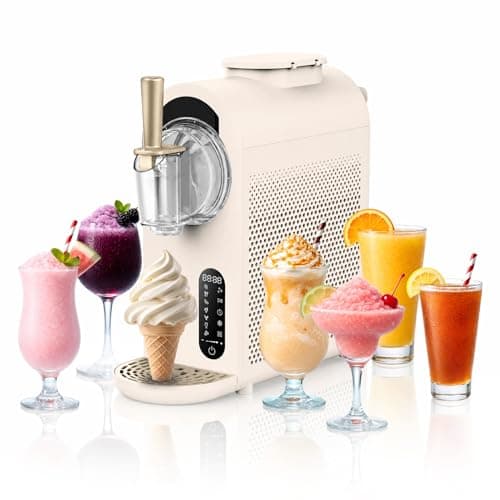
Whynter 7-in-1 soft serve and slushy, 5 firmness levels
See price on AmazonSee it on Amazon
This page is for owners of home soft serve makers and small countertop soft serve machines who are getting soup from the spout, or soft serve with a grainy, icy bite. It walks through the common causes, a diagnosis order from cheapest to most involved, and maintenance items like seals and blades. Settings and part names vary by brand, so use your manual for exact menus and part numbers. Commercial machines in a business also follow local health rules for cleaning and mix handling.
How a soft serve machine works
A soft serve machine freezes mix in a chilled cylinder while a beater scrapes the wall and whips in air. When the mix reaches the set thickness, you pull the handle and fresh soft serve comes out the spout, and new mix flows in from the hopper to replace it. Home machines without a hopper work in batches, and freezer bowl soft serve makers depend on a prefrozen bowl just like a freezer bowl ice cream maker.
That design is why timing matters. The cylinder holds a limited amount of frozen product. Draw it out faster than the machine can freeze new mix and you get thin, runny output until it catches up. Leave mix in the cylinder too long without drawing and it can over-freeze and turn icy or stiff.
Causes of runny or icy soft serve
- Runny from the first servingLikely causeMix not prechilled, or machine not given time to freezeFixChill mix to fridge temperature first; wait for the ready signal
- Runny after several servingsLikely causeDrawing faster than the cylinder can recoverFixPause between servings; draw slowly and steadily
- Runny all the timeLikely causeHardness or viscosity setting too lowFixRaise the setting one step at a time
- Runny and thin tastingLikely causeToo much water in a powder mixFixMeasure water exactly per the package
- Icy or grainyLikely causeWatery or low-sugar mixFixUse a proper soft serve mix or a richer homemade base
- Icy or stiff after sittingLikely causeMix held too long in the cylinderFixDraw a serving or use standby mode per the manual
- Icy film on the wall, poor textureLikely causeWorn or missing scraper bladesFixInspect and replace blades
- Leaks or air in the productLikely causeWorn or dry O-rings and sealsFixReplace seals and lubricate as the manual directs
- Never gets firm on a countertop unitLikely causeBlocked vents or a hot roomFixClear vents, give the unit space, keep it out of direct heat
| Problem | Likely cause | Fix |
|---|---|---|
| Runny from the first serving | Mix not prechilled, or machine not given time to freeze | Chill mix to fridge temperature first; wait for the ready signal |
| Runny after several servings | Drawing faster than the cylinder can recover | Pause between servings; draw slowly and steadily |
| Runny all the time | Hardness or viscosity setting too low | Raise the setting one step at a time |
| Runny and thin tasting | Too much water in a powder mix | Measure water exactly per the package |
| Icy or grainy | Watery or low-sugar mix | Use a proper soft serve mix or a richer homemade base |
| Icy or stiff after sitting | Mix held too long in the cylinder | Draw a serving or use standby mode per the manual |
| Icy film on the wall, poor texture | Worn or missing scraper blades | Inspect and replace blades |
| Leaks or air in the product | Worn or dry O-rings and seals | Replace seals and lubricate as the manual directs |
| Never gets firm on a countertop unit | Blocked vents or a hot room | Clear vents, give the unit space, keep it out of direct heat |
Diagnose in this order
- 1
Check the mix temperature. It should come from the fridge, about 41 F or below, not room temperature. Warm mix makes runny soft serve and is a food safety risk.
- 2
Check the mix ratio. For powder mixes, measure water exactly. For homemade bases, compare to a known recipe.
- 3
Let the machine run until it signals ready, then draw one serving slowly and evaluate.
- 4
Raise the hardness or viscosity setting one step if the first serving is still soft.
- 5
Pace your servings. Wait between pulls so the cylinder can refreeze new mix.
- 6
If problems continue, unplug, disassemble per the manual and inspect the scraper blades, O-rings and seals for wear.
- 7
Check airflow around a compressor unit. Clean any dust from the vents or condenser area as the manual describes.
Note.Unplug the machine before taking apart the door, beater or blades. Keep dairy mix refrigerated at 41 F or below, and discard mix that has sat warm for more than 2 hours.
Mix problems: the most common root cause
Soft serve mix is formulated with enough sugar, milk solids and stabilizer to stay smooth at serving temperature. Watering down a powder mix to stretch it, or using plain milk with a little sugar, leaves too much free water. That water freezes into larger crystals, so the product comes out icy, or it does not set at all and comes out thin. Stick to the package ratio, and stir or whisk a powder mix until fully dissolved, then chill it before use.
Homemade bases can work well in home machines when they are rich enough. A base built on whole milk and cream with plenty of sugar, and often a little nonfat dry milk powder for body, behaves much better than a lean base. The soft serve mix guide covers powder versus liquid mixes and a simple homemade formula, and how to make soft serve at home covers the home machine routine.
Seals, blades and cleaning
Scraper blades wear down with use. When they no longer reach the cylinder wall cleanly, a layer of ice builds up, the freezing slows and the texture turns grainy. O-rings and seals on the beater, door and draw valve keep mix and air where they belong. Dry, cracked or missing seals can cause leaks and inconsistent product. Most manufacturers list these as wear parts with a replacement schedule and specify a food-safe lubricant for seals.
Cleaning matters for texture as well as safety. Leftover mix dries on parts and can keep them from seating properly. Follow the cleaning interval in the manual, and see how to clean a soft serve machine for the routine. If your current machine cannot keep up with your volume, the best countertop soft serve machines guide compares units built for steadier output, and the best soft serve machines for home guide covers smaller models.
Frequently asked questions
Why is my soft serve coming out like liquid? The mix is usually too warm, the machine has not had time to freeze it, or it is being drawn too fast. Chill the mix first, wait for the ready signal and pull servings slowly with pauses in between.
How do I make soft serve thicker? Raise the hardness or viscosity setting if your machine has one, use a mix with the right ratio, and let the cylinder recover between servings. Richer mixes with more milk solids also hold their shape better.
Why is my soft serve icy? Too much water in the mix, mix that sat in the cylinder too long, or worn scraper blades. Check the mix ratio first, since that is the most common cause.
Can I use regular ice cream base in a soft serve machine? Often yes in home machines, as long as it is well chilled and not too lean. Countertop machines are usually designed around soft serve mix; check the manual before using something else.
What you need for this
- See price on AmazonAmazon
Ninja Creami Scoop & Swirl bundle with soft serve handle
 See price on AmazonAmazon
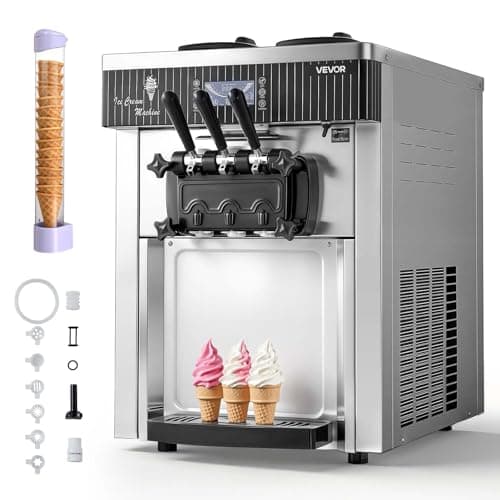
VEVOR 3-flavor countertop: 20-28 L/h, hopper agitation
From Best countertop soft serve machines for small businesses
 See price on AmazonAmazon
Ninja Creami XL Deluxe Gen 2 NC601: 11 programs, 24 oz tubs