How-to
How to clean a soft serve machine
Published
Short answer
To clean a soft serve machine, drain the remaining mix, rinse the hopper and freezing cylinder with cold then warm water, take apart the door, draw valve, beater and seals, wash and brush every part, sanitize with a food-contact sanitizer mixed per its label, lubricate O-rings with food-grade lubricant, reassemble, and sanitize again before priming. Follow your manual and local health code for how often.
Gear for this job
All 6 picks compared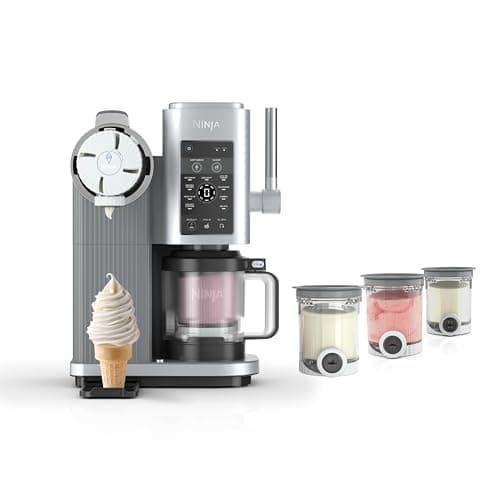
Ninja Creami Scoop & Swirl bundle with soft serve handle
See price on AmazonSee it on Amazon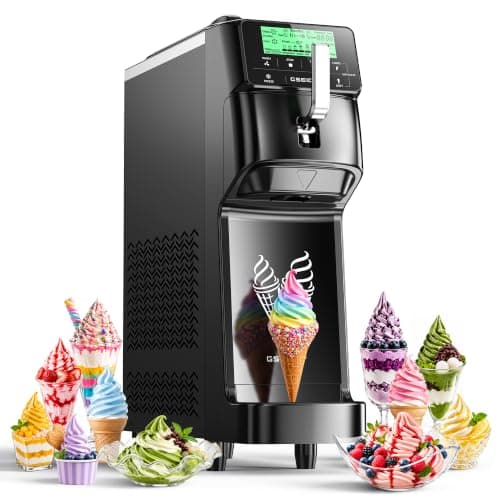
GSEICE compact countertop soft serve, ETL, about 62 dB
See price on AmazonSee it on Amazon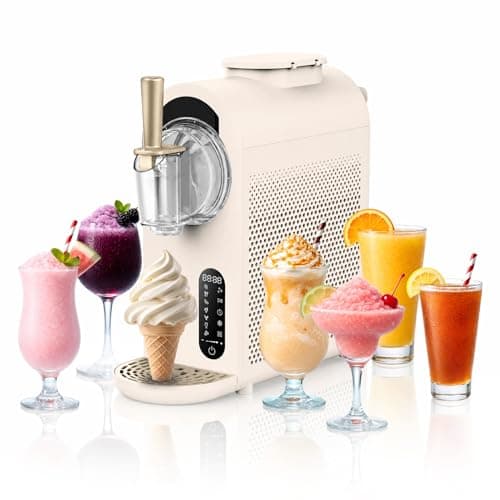
Whynter 7-in-1 soft serve and slushy, 5 firmness levels
See price on AmazonSee it on Amazon
This page is for anyone running a soft serve machine, from a small business with a countertop or floor model to a home user with a soft serve maker. Soft serve mix is dairy-rich and sits in a cold machine for long periods, so cleaning is a food safety job, not just tidying. Below is a general routine based on what commercial manufacturer manuals describe, a schedule, and notes for home machines. Exact steps vary by brand and model, and your local health department's rules come first.
Why soft serve machines need careful cleaning
A soft serve machine keeps liquid mix in a refrigerated hopper and freezes it in a cylinder with a rotating beater. Mix residue can build up in seals, valves and small passages. Bacteria grow slowly at cold temperatures but still grow, and dairy residue is a good food source for them. That is why manufacturers specify regular full disassembly, brushing and sanitizing, and why health inspectors check soft serve machines closely.
Many commercial machines have a heat treatment cycle that heats the mix daily to reduce bacteria. Those machines are designed to go longer between full teardowns, on a schedule set by the manufacturer and approved by local health authorities. Machines without heat treatment are commonly broken down and cleaned daily.
Cleaning schedule
Write down the date of each full clean. Inspectors often ask, and it helps you keep to the schedule.
- During serviceTaskWipe the door, spout and drip tray; empty the drip tray
- End of dayTaskClean the outside, draw valve area and drip tray; follow the manual for the mix and machine
- Full teardown intervalTaskDrain, disassemble, brush, sanitize, lubricate and reassemble
- Heat treatment machinesTaskRun the cycle daily; teardown on the manufacturer's schedule
- PeriodicallyTaskInspect O-rings, gaskets and scraper blades; replace worn parts
| When | Task |
|---|---|
| During service | Wipe the door, spout and drip tray; empty the drip tray |
| End of day | Clean the outside, draw valve area and drip tray; follow the manual for the mix and machine |
| Full teardown interval | Drain, disassemble, brush, sanitize, lubricate and reassemble |
| Heat treatment machines | Run the cycle daily; teardown on the manufacturer's schedule |
| Periodically | Inspect O-rings, gaskets and scraper blades; replace worn parts |
Full teardown step by step
- 1
Drain any remaining mix from the hopper and freezing cylinder and discard it according to your food safety rules.
- 2
Rinse: pour cold water into the hopper, run the machine in wash mode if it has one, and draw it out. Repeat with warm water until it runs clear.
- 3
Turn the machine off and unplug it or follow the lockout steps in the manual.
- 4
Remove the door, draw valves, handles, beater or dasher, scraper blades, drive shaft, mix feed tubes and every O-ring and gasket.
- 5
Wash all parts in warm water with a detergent made for food equipment. Use the brushes supplied with the machine to scrub valve bores, the door spout and the cylinder.
- 6
Rinse parts and soak or wipe them with a food-contact sanitizer mixed to the label concentration. Check with test strips. Let parts air dry.
- 7
Lubricate O-rings and seals lightly with a food-grade lubricant as shown in the manual.
- 8
Reassemble the machine.
- 9
Sanitize the assembled machine: pour sanitizer into the hopper, agitate per the manual, then draw it out through the valve.
- 10
Prime with fresh mix and draw off until mix comes out without sanitizer.
Note.Never mix cleaning chemicals, and wear gloves when handling sanitizer. Use only chemicals the manufacturer approves for the machine, because some can damage seals or metal.
Lubrication and wear parts
O-rings and seals need a thin film of food-grade lubricant so they seal properly and do not tear when parts slide together. Too little causes leaks and wear. Too much can trap residue. Inspect every O-ring for cracks, flat spots or stretch as you lubricate it, and replace damaged ones. Scraper blades on the beater wear down over time; worn blades leave a layer of frozen mix on the cylinder wall, which hurts texture and makes the machine work harder.
Keep a spare kit of O-rings and blades for your model. Buy parts made for the exact model, since sizes vary.
Cleaning a home soft serve maker
Most home soft serve makers use a freezer bowl or a small compressor, with a dispensing spout and handle. After each use, empty any leftover ice cream, take off the spout, handle, paddle and lid, and wash them in warm soapy water. Many manuals do not allow the freezer bowl in the dishwasher, so check before you load it. Dry every part fully before reassembling; a wet freezer bowl can ice up inside. Ninja Creami Swirl owners should follow the cleaning steps for its dispensing parts in the Swirl manual.
For machines, see our best soft serve machine for home and best commercial soft serve machine guides. If texture is the problem, read soft serve machine too runny and the soft serve mix guide.
Common cleaning mistakes
When in doubt, follow the manufacturer's cleaning chart and your local health department. Your sanitizer supplier can also help you set up test strips and the right concentration. See how much a soft serve machine costs if you are weighing a heat treatment model.
- Skipping the brushes, so mix stays in valve bores and spouts.
- Using hot water on parts or chemicals the manual does not allow.
- Forgetting to sanitize after reassembly.
- Reusing torn or dry O-rings, which leak and trap residue.
- Leaving sanitizer in the machine when priming, which affects flavor.
Frequently asked questions
How often should a soft serve machine be cleaned? Machines without heat treatment are commonly cleaned and sanitized daily. Heat treatment machines follow the manufacturer's longer cycle. Your local health code decides.
What sanitizer is used for soft serve machines? A food-contact sanitizer approved by the manufacturer, mixed to the label concentration and checked with test strips.
What lubricant goes on soft serve O-rings? A food-grade lubricant made for food equipment. Apply a thin, even film as the manual shows.
Can I put soft serve machine parts in the dishwasher? Check the manual. Many commercial parts are hand washed with brushes, and some home freezer bowls are hand wash only.
What you need for this
- See price on AmazonAmazon
Ninja Creami Scoop & Swirl bundle with soft serve handle
 See price on AmazonAmazon
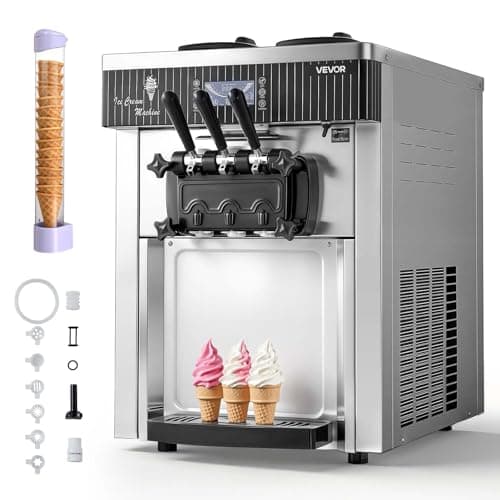
VEVOR 3-flavor countertop: 20-28 L/h, hopper agitation
From Best countertop soft serve machines for small businesses
 See price on AmazonAmazon
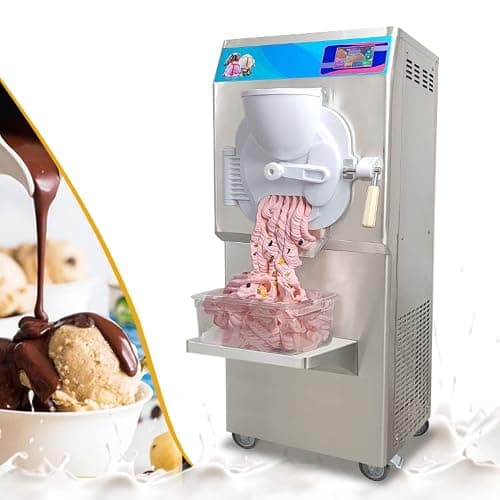
Kolice batch freezer: 9 to 11 gal/hr, ETL, 110V
From Best hard ice cream and gelato machines for small shops