How-to
How to make gelato at home in an ice cream maker
Published
Short answer
Gelato uses more milk and less cream than American ice cream, often fewer egg yolks, and is churned to hold less air. A common home base is 2 cups whole milk, 1 cup heavy cream, 3/4 cup sugar and 4 egg yolks, cooked to about 170 to 175 F, chilled overnight and churned in any ice cream maker. Serve it slightly warmer than ice cream so it stays soft and dense.
Gear for this job
All 7 picks compared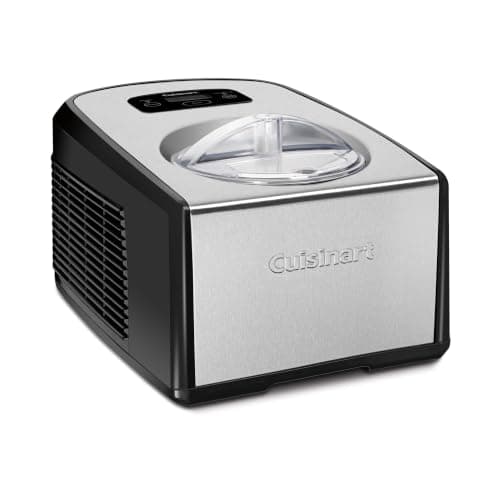
Cuisinart ICE-100: dedicated gelato paddle, 1.5 qt
See price on AmazonSee it on Amazon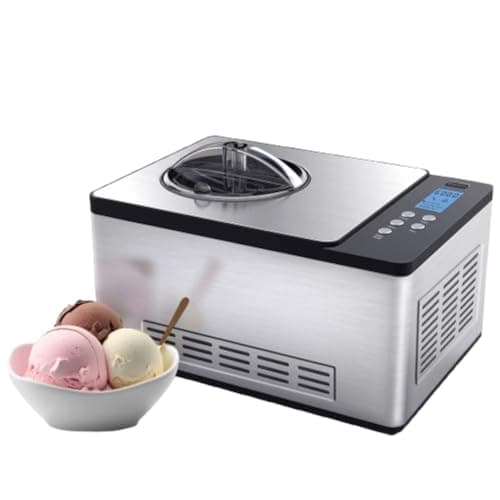
Whynter ICM-220SSY: 2 qt compressor for gelato and yogurt
See price on AmazonSee it on Amazon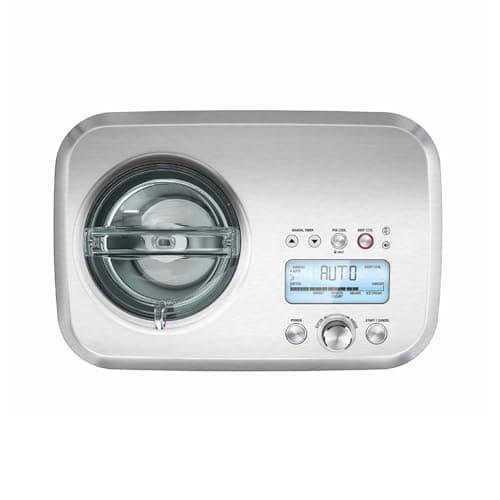
Breville Smart Scoop: gelato setting, hardness sensing
See price on AmazonSee it on Amazon
This guide is for home cooks who want the dense, silky texture of gelato from a regular ice cream maker. It explains what makes gelato different, gives a base recipe with ratios you can adapt, walks through cooking and churning, and covers flavor variations and serving. The method works in freezer bowl machines, compressor machines and stand mixer attachments. The Ninja Creami has its own Gelato program; see Creami gelato for that approach.
What makes gelato different
Gelato and ice cream use the same ingredients in different proportions. Gelato bases lean on whole milk rather than heavy cream, so they have less butterfat. Many recipes use fewer egg yolks, and some use none. Gelato is also typically churned more slowly so it takes in less air, and it is served a few degrees warmer than hard ice cream.
Less fat and less air let the flavor come through more directly, and the warmer serving temperature gives the soft, stretchy texture people associate with gelato shops. The gelato vs ice cream maker guide explains why most home machines can make both.
Gelato base ratios
These are common starting points, not strict rules. Some gelato styles, especially in northern Italy, use no eggs and thicken the milk with a little cornstarch instead. For how each ingredient changes hardness and iciness, see ice cream base ratios.
- Whole milkGelato (custard style)About 2 cupsAmerican custard ice creamAbout 1 cup
- Heavy creamGelato (custard style)About 1 cupAmerican custard ice creamAbout 2 cups
- SugarGelato (custard style)About 3/4 cupAmerican custard ice creamAbout 3/4 cup
- Egg yolksGelato (custard style)3 to 4American custard ice cream5 to 6
- SaltGelato (custard style)PinchAmerican custard ice creamPinch
| Ingredient | Gelato (custard style) | American custard ice cream |
|---|---|---|
| Whole milk | About 2 cups | About 1 cup |
| Heavy cream | About 1 cup | About 2 cups |
| Sugar | About 3/4 cup | About 3/4 cup |
| Egg yolks | 3 to 4 | 5 to 6 |
| Salt | Pinch | Pinch |
Basic vanilla gelato step by step
- 1
Heat the milk, cream, half the sugar, salt and vanilla bean (if using) in a saucepan until steaming, not boiling.
- 2
Whisk the yolks with the rest of the sugar in a bowl until pale.
- 3
Slowly whisk about a cup of the hot milk into the yolks to temper them, then pour the mixture back into the pan.
- 4
Cook over medium-low heat, stirring constantly, until it thickens enough to coat the back of a spoon, about 170 to 175 F. Do not let it boil.
- 5
Strain into a clean bowl. Stir in vanilla extract now if you are using it instead of a bean.
- 6
Cool in an ice bath, cover and refrigerate overnight, or at least 4 hours, until fully cold.
- 7
Churn in your ice cream maker according to its instructions until it looks like thick soft serve.
- 8
Serve right away for a soft texture, or freeze in a shallow container for an hour or two.
- 2 cups whole milk
- 1 cup heavy cream
- 3/4 cup sugar, divided
- 4 large egg yolks
- 1 vanilla bean, split, or 2 teaspoons vanilla extract
- Pinch of salt
Note.Cook egg-based custards to about 170 to 175 F and chill them promptly. Keep the base refrigerated until you churn it.
Churning for gelato texture
Gelato shops use machines that churn slowly to keep air low. At home, you cannot usually change the dasher speed, but you can still get closer to gelato texture. Churn only until thick, rather than letting the machine run long after the base sets. Serve or pack it promptly. Some compressor machines, such as models with separate gelato paddles or hardness settings, give more control.
A freezer bowl machine needs the bowl frozen for 16 to 24 hours and a fully chilled base. A compressor machine can churn a batch without prefreezing. Our gelato maker guide and compressor ice cream maker guide compare models.
Flavor variations
- Chocolate (cioccolato): whisk 1/3 cup unsweetened cocoa powder into the hot milk and stir 2 oz chopped dark chocolate into the hot custard.
- Hazelnut (nocciola): whisk 1/3 to 1/2 cup smooth hazelnut paste into the warm custard before chilling.
- Pistachio: whisk 1/3 to 1/2 cup pistachio paste into the warm custard.
- Fior di latte: skip the yolks and vanilla; thicken the milk, cream and sugar with about 2 tablespoons cornstarch, cooked until slightly thick.
- Coffee: steep 1/2 cup coarsely ground coffee in the hot milk for 15 minutes, then strain.
Serving and storing gelato
Gelato is meant to be served softer than hard ice cream. If it has been in the freezer overnight, let it sit on the counter for about 5 to 15 minutes before scooping, or move it to the fridge for a short while. Use a flat spade or spatula, the way gelato shops do, to work it into a smooth mound.
Homemade gelato has no commercial stabilizers and is best within a few days. Store it in an airtight container with plastic wrap pressed onto the surface to limit ice crystals. If it turns icy, see why homemade ice cream gets icy.
Frequently asked questions
Can I make gelato in a regular ice cream maker? Yes. Any home machine can churn a gelato base. The recipe and serving temperature do most of the work.
Does gelato have eggs? Many custard-style gelatos do, usually fewer yolks than American ice cream. Some styles use none and thicken with cornstarch.
Why is my homemade gelato hard? It is meant to be served warmer than ice cream. Temper it before scooping. Low sugar also makes it harder.
Is gelato lower in fat than ice cream? It usually has less butterfat because it uses more milk and less cream. Check your own recipe for exact numbers.
What you need for this
- See price on AmazonAmazon
Cuisinart ICE-100: compressor with ice cream and gelato paddles
 See price on AmazonAmazon
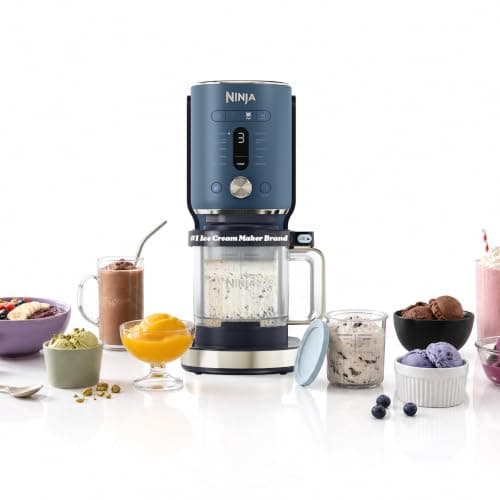
Ninja Creami XL Deluxe Gen 2 NC601: 11 programs, 24 oz tubs
From Best ice cream makers for home cooks: one pick per machine type