Comparison
Ninja Creami vs Pacojet
Published
Short answer
The Pacojet is a professional kitchen machine that processes a deep-frozen base with a fast, descending blade, and the Ninja Creami brings the same basic idea to home kitchens at a home price. Both start from a solidly frozen container rather than a liquid base. The Pacojet is built for restaurant volume, savory work and repeated daily use; the Creami is built for single pints of dessert. For home use, the Creami is the realistic Pacojet home version.
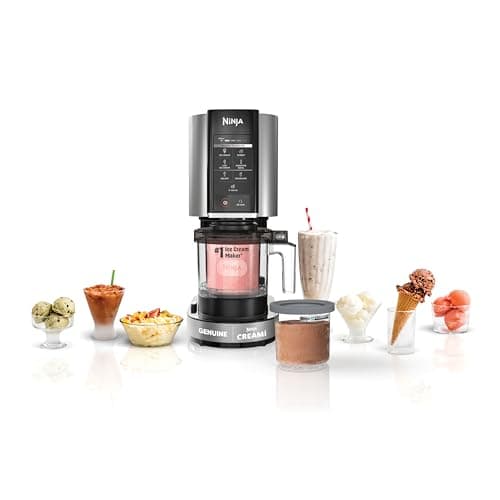
Ninja
Ninja Creami 7-in-1 NC301: the entry Creami
See price on Amazon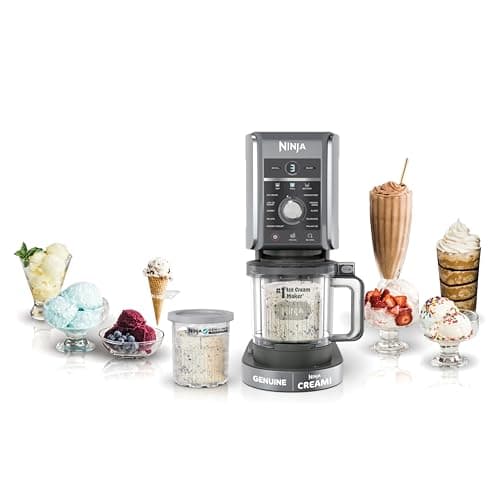
Ninja
Ninja Creami XL Deluxe NC501: 11 programs incl. Italian ice
See price on Amazon
- Ninja Creami 7-in-1 NC301: the entry Creami
- Type
- Creami
- Capacity
- Original pint
- Programs
- 7: Ice Cream, Gelato, Sorbet, Milkshake, more
- Pre-freeze needed
- Yes, 24 hours
- Ninja Creami XL Deluxe NC501: 11 programs incl. Italian ice
- Type
- Creami
- Capacity
- 24 oz XL tub (2 included)
- Programs
- 11, incl. Italian ice, frozen yogurt
- Pre-freeze needed
- Yes, base frozen first
| Pick | Type | Capacity | Programs | Pre-freeze needed | Price | Link |
|---|---|---|---|---|---|---|
| Ninja Creami 7-in-1 NC301: the entry Creami | Creami | Original pint | 7: Ice Cream, Gelato, Sorbet, Milkshake, more | Yes, 24 hours | - | Amazon |
| Ninja Creami XL Deluxe NC501: 11 programs incl. Italian ice | Creami | 24 oz XL tub (2 included) | 11, incl. Italian ice, frozen yogurt | Yes, base frozen first | - | Amazon |
Facts are taken from each Amazon listing. Prices are checked daily and shown with their date.
Verdict
For home cooks, buy a Ninja Creami: the NC301 for single pints at the lowest price, or the NC501 Deluxe for larger tubs and more programs. The Pacojet is a professional kitchen tool and only makes sense for restaurants and pastry operations that process frozen preparations every day.
This page is for curious cooks who have heard the Creami called a home Pacojet and want to know how true that is. It explains the shared frozen-block method, where the two machines differ, and why a restaurant would pay commercial prices for a Pacojet. The Pacojet is not sold in our product list, so it is described without specs or prices. The Creami side uses the NC301 and the Deluxe NC501, with facts from their current Amazon listings.
The shared idea: process a frozen block, do not churn
Traditional ice cream makers freeze a liquid base while stirring it. The Pacojet, long used in professional kitchens, took a different route: freeze the preparation solid in a beaker, then use a high-speed blade that works down through the frozen block to produce a fine, smooth texture. Chefs call the process pacotizing. It lets a kitchen freeze many flavors ahead and process only the portion it needs.
The Ninja Creami applies the same principle to dessert at home. You freeze a base solid in a pint for about 24 hours, and a paddle descends through it to shave it smooth. Ninja calls this Creamify Technology. See how the Ninja Creami works for the step-by-step.
How they compare at a glance
The table sticks to what the Creami listings state and to the widely documented role of the Pacojet. We do not quote Pacojet specs or prices here; check the manufacturer for current models.
- Built forNinja Creami NC301Home kitchensNinja Creami Deluxe NC501Home kitchensPacojetProfessional kitchens
- MethodNinja Creami NC301Paddle shaves a frozen pintNinja Creami Deluxe NC501Paddle shaves a frozen XL tubPacojetBlade processes a frozen beaker
- ContainerNinja Creami NC301Original Creami pintNinja Creami Deluxe NC50124 oz XL tubsPacojetPacojet beakers
- ProgramsNinja Creami NC3017 one-touch programsNinja Creami Deluxe NC50111 one-touch programsPacojetPortion and processing settings for chefs
- Typical useNinja Creami NC301Desserts, sorbet, milkshakesNinja Creami Deluxe NC501Desserts, Italian ice, frozen yogurtPacojetIce cream, sorbet, savory mousses, sauces, fillings
- Listed priceNinja Creami NC301$163.79Ninja Creami Deluxe NC501$249.95PacojetCommercial equipment pricing
| Ninja Creami NC301 | Ninja Creami Deluxe NC501 | Pacojet | |
|---|---|---|---|
| Built for | Home kitchens | Home kitchens | Professional kitchens |
| Method | Paddle shaves a frozen pint | Paddle shaves a frozen XL tub | Blade processes a frozen beaker |
| Container | Original Creami pint | 24 oz XL tubs | Pacojet beakers |
| Programs | 7 one-touch programs | 11 one-touch programs | Portion and processing settings for chefs |
| Typical use | Desserts, sorbet, milkshakes | Desserts, Italian ice, frozen yogurt | Ice cream, sorbet, savory mousses, sauces, fillings |
| Listed price | $163.79 | $249.95 | Commercial equipment pricing |
What the price gap buys
A restaurant buys a Pacojet for reasons a home cook rarely needs. It is designed to run many times a day, every day, in a professional setting. Chefs use it to process small portions from a frozen beaker and return the rest to the freezer, which cuts waste on service. It is also widely used for savory work, such as frozen herb pastes, mousses and fine purees, not only ice cream.
The Creami is designed around a home routine: one pint or tub at a time, a few times a week, mostly sweet. It adds things a home cook wants, like named programs for Lite Ice Cream, Sorbet and Milkshake, a Mix-In program, and Re-spin for softening a crumbly pint. For a household making dessert, those are the features that matter.
- Duty cycle: Pacojet for constant service use; Creami for occasional home batches.
- Portioning: Pacojet is known for processing part of a beaker; the Creami processes the whole pint each run.
- Range: Pacojet is a savory and pastry tool; the Creami is a dessert and drink machine.
- Support: a commercial machine comes with commercial service; the Creami is a consumer appliance.
Getting near-Pacojet results from a Creami
Pastry chefs get smooth results from a Pacojet partly because their bases are balanced with sugars and stabilizers. The same applies at home. A base with enough sugar and some fat or stabilizer spins smoother and needs fewer re-spins. See Creami stabilizers and base sugar and fat ratios.
Freeze the pint level and under the MAX line, let a very hard pint sit a few minutes before spinning, and use Re-spin with a spoonful of milk if it comes out powdery. Our Creami re-spin guide and fix for powdery Creami ice cream cover this.
- 1
Mix a balanced base and chill it.
- 2
Pour to the MAX line and freeze level for about 24 hours.
- 3
Run the program that matches the base.
- 4
Re-spin once, adding a little liquid if it looks dry or crumbly.
Note.Savory Pacojet techniques do not always transfer. Follow Ninja's manual for what you can process in a Creami, and do not process anything the manual excludes.
Who should consider which
For a home kitchen, the Creami is the practical choice. The Pacojet makes sense for restaurants, caterers and pastry operations that process many frozen preparations every day. If you are a small shop wanting to sell frozen desserts, also look at dedicated commercial batch freezers in hard ice cream and gelato machines for small shops.
Frequently asked questions
Is there a Pacojet home version? Pacojet makes professional machines. For home cooks, the Ninja Creami is the widely available machine built on the same frozen-block idea.
Does the Creami make the same texture as a Pacojet? Both shave a frozen block into a fine texture, so results can be similar with a well-balanced base. The Pacojet is built for professional consistency and volume.
Can a Creami do savory Pacojet recipes? Some cooks experiment, but the Creami is sold for desserts and drinks. Stick to what the manual allows.
Which Creami is closest in spirit to a Pacojet? The Deluxe NC501 has the most programs and the larger 24 oz tubs, and its dual processing lets you treat the top and bottom of one tub differently.
What you need for this
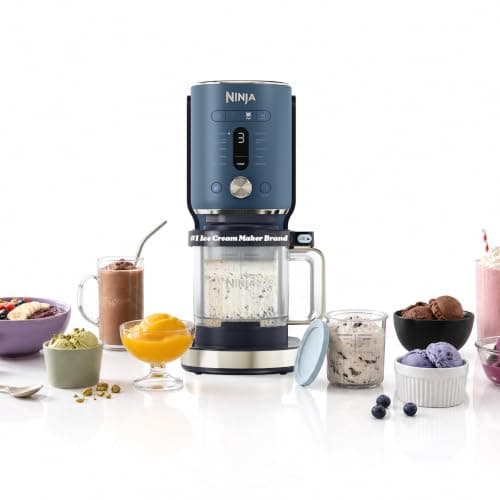 See price on AmazonAmazon
Ninja Creami XL Deluxe Gen 2 NC601: 11 programs, 24 oz tubs
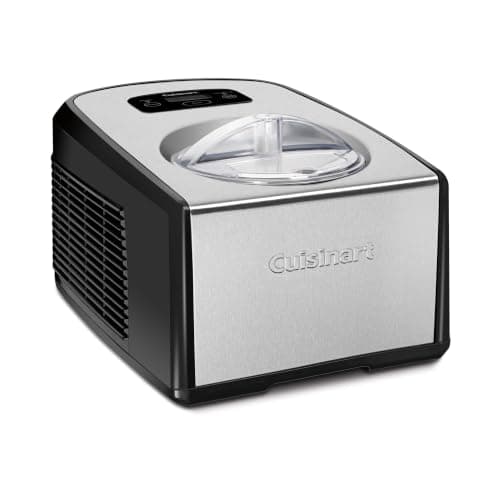 See price on AmazonAmazon
Cuisinart ICE-100: compressor with ice cream and gelato paddles
From Best Ninja Creami alternatives that churn instead of spin
 See price on AmazonAmazon
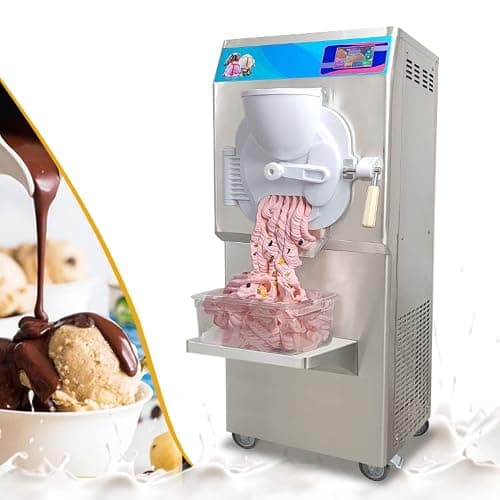
Kolice batch freezer: 9 to 11 gal/hr, ETL, 110V
From Best hard ice cream and gelato machines for small shops