Fix
Why is the Ninja Creami so loud, and can you quiet it
Published
Short answer
The Ninja Creami is loud because a powerful motor drives a blade down through a rock-hard frozen block, which sounds a lot like a blender crushing ice. That roar for a minute or two is normal. Grinding, banging, rattling or a cycle that stops early is not, and usually points to a pint that is overfilled, frozen unevenly, too cold, or a bowl and lid that are not seated correctly.
Gear for this job
All 5 picks compared
Ninja Creami XL Deluxe Gen 2 NC601: 11 programs, 24 oz tubs
See price on AmazonSee it on Amazon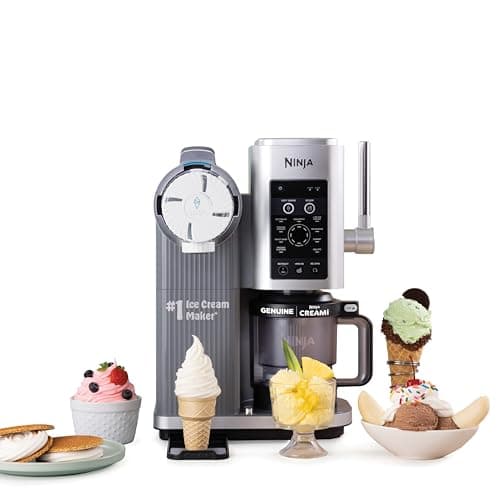
Ninja Creami Scoop & Swirl NC701: 13 programs plus soft serve
See price on AmazonSee it on Amazon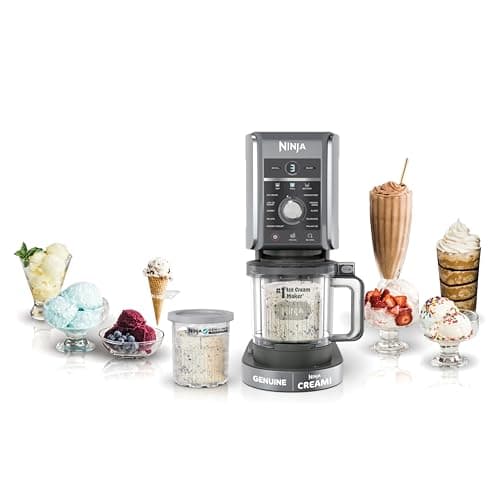
Ninja Creami XL Deluxe NC501: 11 programs incl. Italian ice
See price on AmazonSee it on Amazon
If you just ran your first pint and the noise surprised you, you are not alone. The Creami is one of the louder appliances in most kitchens while it runs. This page explains where the noise comes from, how to tell normal from a problem, which fixes take care of grinding and rattling, and what placement changes can make it more bearable. It applies to the original 7-in-1 models, the Deluxe and the Swirl. It does not cover electrical faults; if the machine smells hot or sparks, unplug it and contact Ninja support.
Where the noise comes from
Most ice cream makers churn a liquid base while it freezes, so the motor works against something soft. The Creami does the opposite. You freeze the base solid for 24 hours, and the machine then drives a spinning blade down from the top of the block to the bottom while the pint is held still. Shaving through frozen dairy takes a lot of torque, and the motor and blade are working hard the whole time.
The sound is loudest at the start, when the blade first bites into the hardest, coldest part of the block, and it changes pitch as the blade moves down. A full program takes only a couple of minutes, so the noise is intense but short. Re-spin and Mix-in are shorter and usually quieter because the pint has already been broken up.
Normal noise vs signs of a problem
Use this table to sort what you hear. Normal sounds are steady and smooth. Problem sounds are uneven, metallic or come with the machine stopping.
- Loud steady whir or roar, like a blender with iceUsually meansNormal processingWhat to doNothing; it settles as the blade descends
- Pitch drops or strains at the startUsually meansVery hard or very cold blockWhat to doNormal; if it stalls, let the pint sit a few minutes
- Grinding or scrapingUsually meansBlade hitting a hump, an overfilled pint, or a tilted frozen blockWhat to doStop, check the fill line and the top surface
- Rattling or vibration across the counterUsually meansUneven or soft surface, bowl not fully lockedWhat to doMove to a flat solid counter, relock the bowl
- Clicking with no spinUsually meansBowl or lid not engaged with the safety interlockWhat to doRemove and reseat the outer bowl and lid
- Cycle stops early with an error or flashing lightsUsually meansMachine protection or a seating problemWhat to doUnplug, reseat everything, see the troubleshooting guide
| What you hear | Usually means | What to do |
|---|---|---|
| Loud steady whir or roar, like a blender with ice | Normal processing | Nothing; it settles as the blade descends |
| Pitch drops or strains at the start | Very hard or very cold block | Normal; if it stalls, let the pint sit a few minutes |
| Grinding or scraping | Blade hitting a hump, an overfilled pint, or a tilted frozen block | Stop, check the fill line and the top surface |
| Rattling or vibration across the counter | Uneven or soft surface, bowl not fully locked | Move to a flat solid counter, relock the bowl |
| Clicking with no spin | Bowl or lid not engaged with the safety interlock | Remove and reseat the outer bowl and lid |
| Cycle stops early with an error or flashing lights | Machine protection or a seating problem | Unplug, reseat everything, see the troubleshooting guide |
Fixes for grinding, rattling and straining
- 1
Check the fill. The base should be at or below the MAX line before freezing. An overfilled pint freezes with a dome that the blade hits hard at the start.
- 2
Look at the frozen surface. If it froze tilted or with a hump in the middle, scrape the high spot flat with a spoon before processing.
- 3
Make sure the pint is fully seated in the outer bowl, the processing lid is locked on with the blade attached, and the bowl is twisted and locked onto the base until it clicks.
- 4
Inspect the blade on the lid. It should sit firmly on its shaft with no cracks or chips. Handle it carefully; the edges are sharp.
- 5
If the freezer runs very cold, well below 0 F, let the pint stand on the counter for a few minutes before processing. Ninja's recommended freezer range is -7 to 9 F.
- 6
Place the machine on a flat, solid counter, not on a cutting board or a towel that can shift.
Note.Never reach into the bowl or lid while the machine is plugged in. Unplug the Creami before removing the blade or clearing a jam, and do not run it with a damaged blade or lid.
How to make the Creami quieter
You cannot make the Creami silent, because the noise comes from the work it does. You can make it less harsh and shorten how long you hear it.
Placement matters most. A machine pushed into a corner under upper cabinets bounces sound off three surfaces. Pulling it a few inches out onto open counter space usually sounds less boomy. A thin silicone or rubber counter mat under the feet can cut rattle on stone or tile, as long as it is flat, stable and does not block the air vents on the machine. Do not wrap the machine or cover vents to muffle it, since the motor needs airflow.
Process right away and only as many times as you need. Each unnecessary Re-spin is another loud cycle. Freezing level, filling to the MAX line and using the right program usually gets a good pint in one spin. If quiet operation is a priority for future purchases, a compressor machine that churns a liquid base is much quieter; see the best quiet ice cream makers guide.
When the noise means it needs service
A Creami that has always been loud but works fine is normal. Call Ninja support if the noise changes suddenly and stays changed across several correctly prepared pints, if you smell burning or hot plastic, if the motor hums but the blade does not turn, or if the machine shuts off repeatedly partway through programs. Those can point to a motor, gear or interlock problem that is not user serviceable. Do not open the motor base yourself.
Before you call, rule out the setup issues above with a plain base, filled to the MAX line and frozen level for 24 hours. Support will usually ask about those details first. The Ninja Creami not working page covers errors and stalls in more depth, and the lid stuck page covers the lid. If you are deciding whether to replace the machine, the best Ninja Creami guide compares current models.
Frequently asked questions
Is the Ninja Creami louder than a blender? It is in the same range as a full-size blender crushing ice, and many owners describe it that way. The difference is that it runs for a couple of minutes per program instead of a few seconds.
Is the Deluxe quieter than the original Creami? Both use a blade driven down through a frozen block, so both are loud. Larger pints on the Deluxe do not make the machine quiet, and no Creami model is marketed as quiet.
Can I run the Creami at night without waking people? It is loud enough to carry through a small home. Spinning earlier, or spinning a pint and refreezing it briefly for later, avoids the problem.
Is it bad if the motor strains at the start? A short strain as the blade bites into a very cold block is normal. If it stalls or stops, the block may be too cold or uneven. Let it stand a few minutes, flatten the top and try again.
What you need for this
- See price on AmazonAmazon
Ninja Creami XL Deluxe Gen 2 NC601: 11 programs, 24 oz tubs
 See price on AmazonAmazon
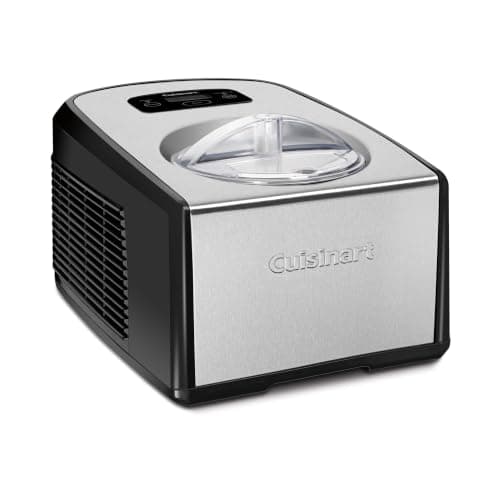
Cuisinart ICE-100: compressor with ice cream and gelato paddles
From Best quiet ice cream makers for apartments and late-night batches